
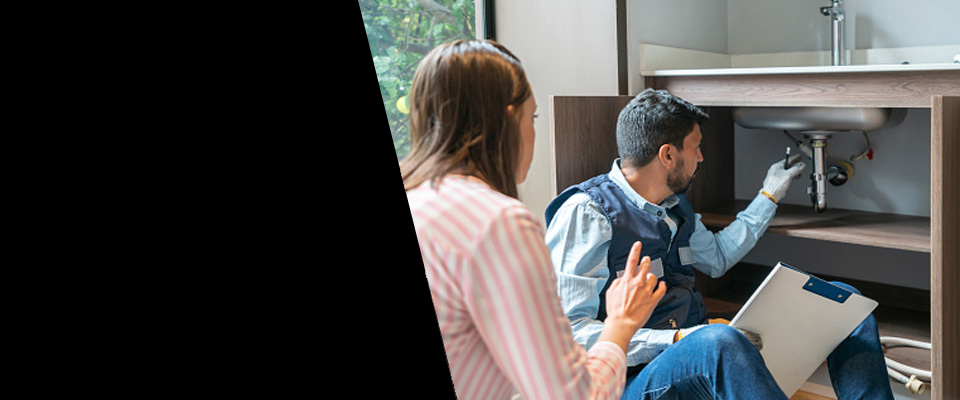
Gas Line Repairs Plumbing Services in Welcome, MD
Welcome Gas Line Repairs Pros available now in Charles County
Gas Line Repairs provides a critical plumbing service that includes assessment, upkeep, and correction of natural gas and propane lines to ensure safety and compliance with local codes. This service resolves gas leaks, pressure irregularities, and pipe damage, using specialized tools and safety protocols to mitigate risks and secure premises. Licensed plumbers ensure all repairs comply with laws and regulations for safe and dependable energy supply
We provide top-quality Plumbing services throughout Charles County. Whether you need help with Gas Line Repairs or other issues, our Pros is ready.

Plumbing Services in Welcome, MD
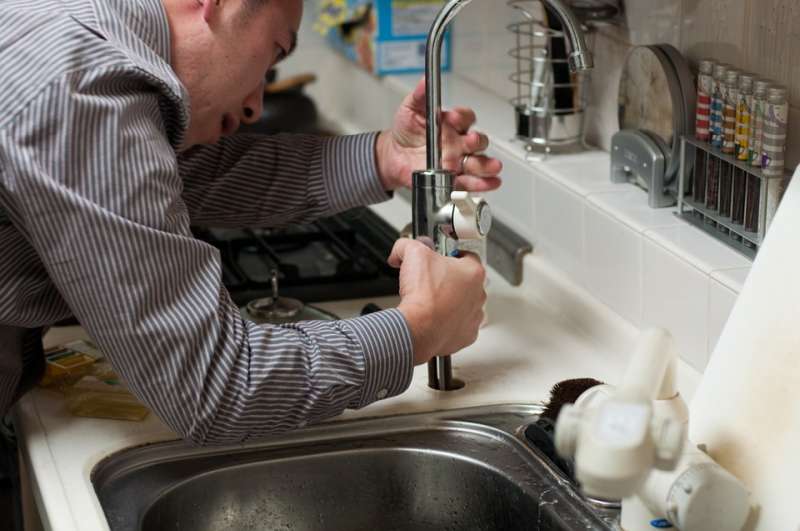
Installing dishwashing machines, water heaters (tank and tankless), waste disposal unit, and cleaning makers.
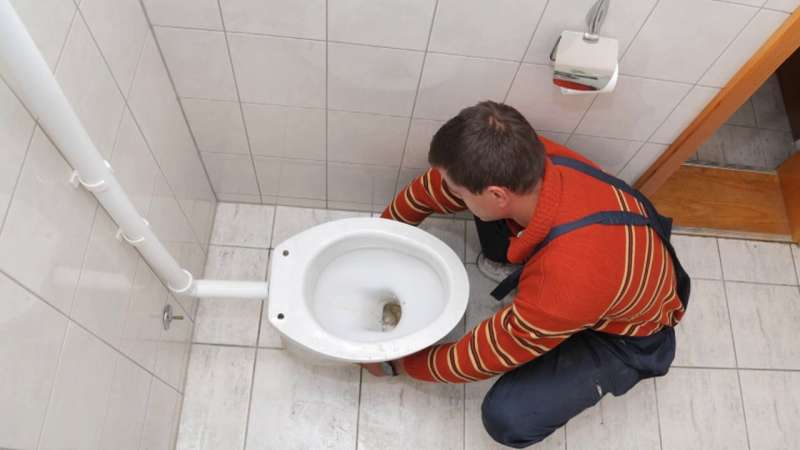
Guaranteeing backflow avoidance gadgets are working correctly.
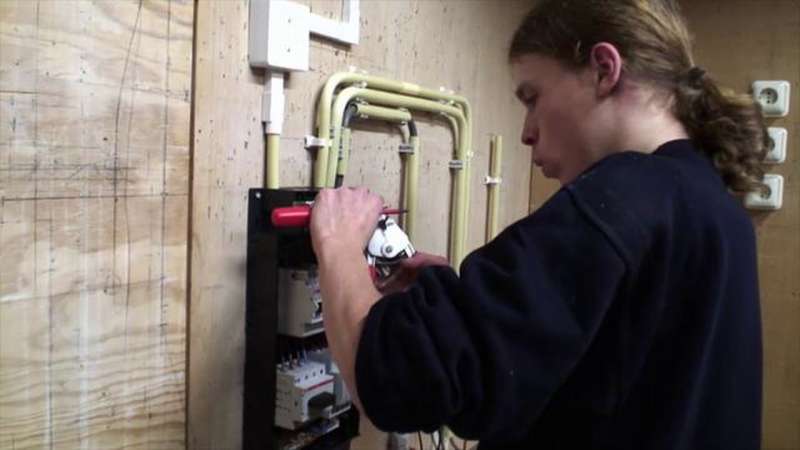
Relocating or updating plumbing systems.

Guaranteeing plumbing systems satisfy regional policies.

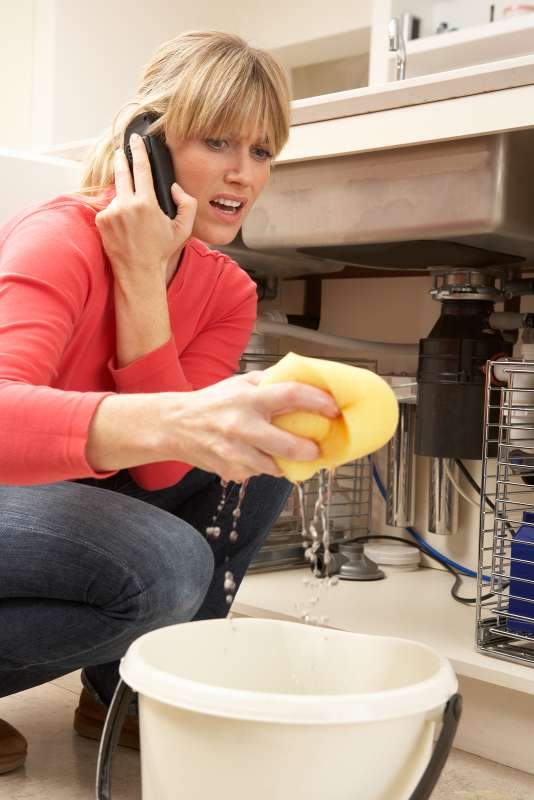
Immediate response to prevent flooding and water damage.
Clearing clogs in sinks, toilets, showers, and drain lines.

Routine cleaning to prevent clogs and keep circulation.

Fixing malfunctioning faucets, toilets, and other components.
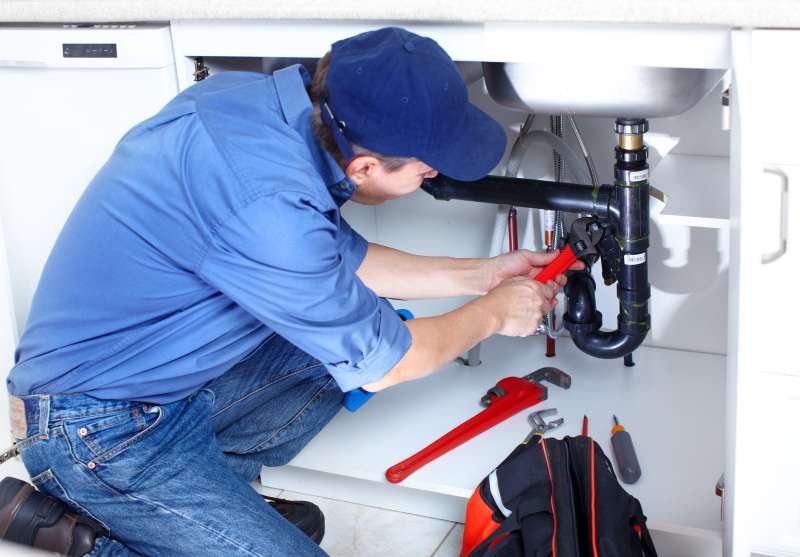
Installation of sinks, faucets, toilets, bathtubs, and showers.

Emergency detection and repair to prevent threats.
Fixing gas leaks and guaranteeing appropriate gas line working.
Establishing systems for reusing household wastewater.
Setting up and maintaining radiant floor heating systems.

Specialized piping for factories or industrial settings.
Installing and keeping outdoor watering.
Plumbing systems for new buildings or remodellings.
Repairing leaks in pipes, faucets, toilets, and appliances.

Quick resolution of severe blockages and overflows.

Using cameras to examine pipes for damage or obstructions.
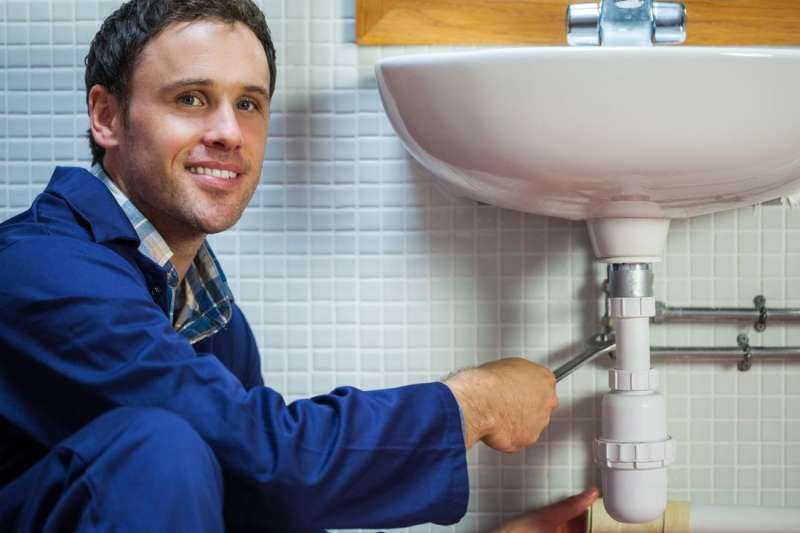
Fixing or replacing burst, rusted, or harmed pipes.
Installing new piping systems for water, gas, and drainage.
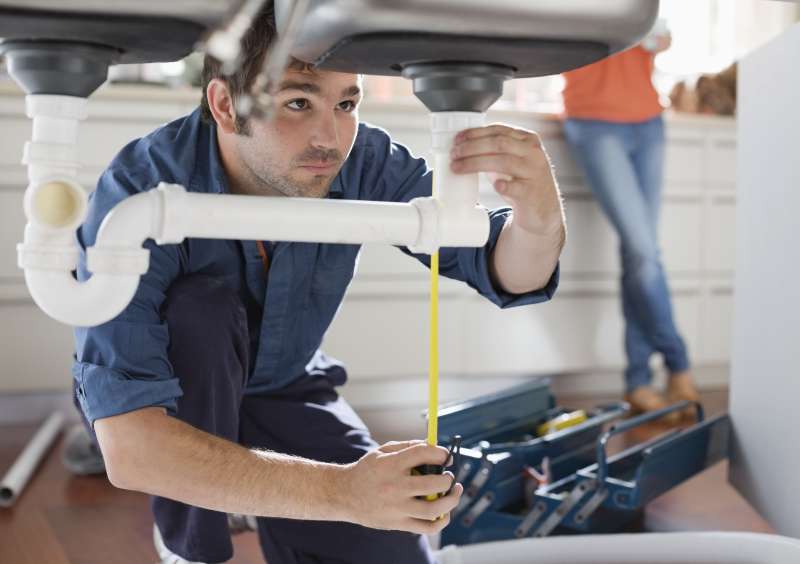
Evaluating plumbing systems before buying home.
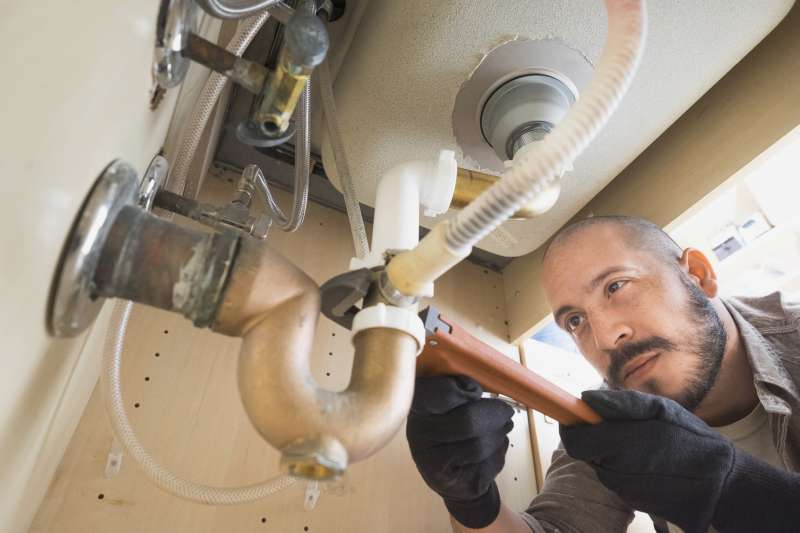
Setting up systems to collect and make use of rainwater.

Continuous maintenance services for businesses.
Setting up, repairing, and maintaining septic tanks.

Handling groundwater in basements.
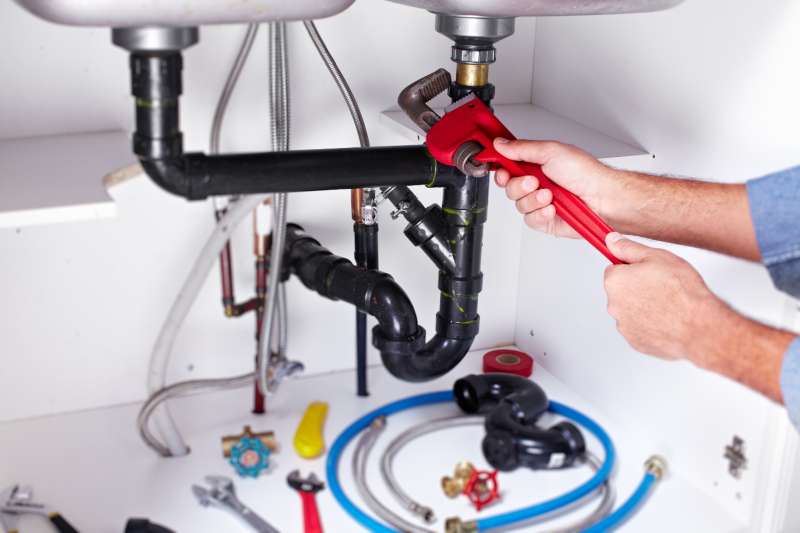
Setting up water-efficient or modern-day components.
Encouraging on water-saving techniques and products.

Installing water softeners and filtering systems.

Flushing and examining water heaters to prolong life expectancy.
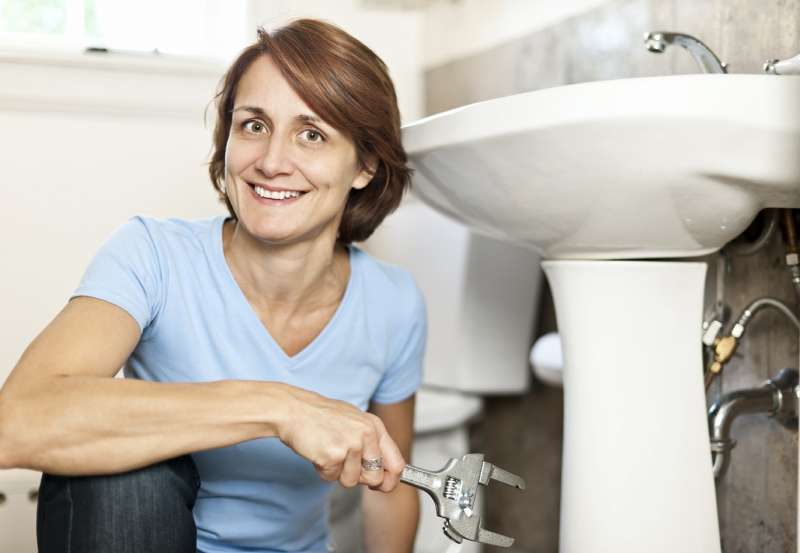
Dealing with problems with temperature level, leaks, or failure to heat water.
Protecting basements or other locations from water intrusion.
Immediate attention to prevent contamination and health risks.